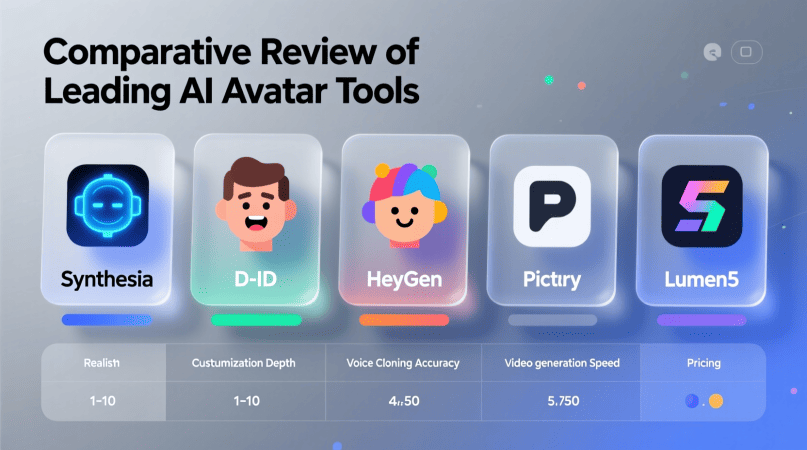
Welcome to the fascinating world of AI avatars! As technology advances, these digital personas are becoming increasingly popular in various fields, from virtual events to gaming and beyond. In this article, we’ll dive deep into the leading AI avatar tools available today, comparing their features, usability, and overall effectiveness.
What Are AI Avatars?
Before we jump into the reviews, let’s clarify what AI avatars are. Simply put, these are digital representations of people, often powered by artificial intelligence. They can mimic human behavior, express emotions, and even interact with users in real-time. Think of them as your virtual doppelgängers!
Why Use AI Avatars?
- Enhance Engagement: AI avatars can make online interactions more engaging, personal, and fun.
- Versatility: They can be used in various scenarios—virtual meetings, online events, and even customer service.
- Cost-Effective: Using avatars can save money on travel and logistics for events.
Comparative Overview of Leading AI Avatar Tools
Now, let’s jump into the meat of the article. We’ve rounded up some of the most popular AI avatar tools currently available:
1. Synthesia
Overview: Synthesia is known for creating incredibly lifelike AI avatars that can speak in multiple languages. It’s often used for corporate training videos and marketing content.
Features:
- Customizable avatars
- Text-to-speech functionality
- Multi-language support
Pros:
- High-quality video output
- User-friendly interface
Cons:
- Can be pricey for small businesses
- Limited free trial options
Example in Use: A corporate client used Synthesia to create training videos for their global workforce, significantly reducing the time and costs associated with traditional video production.
2. Reallusion iClone
Overview: iClone is more than just an avatar tool; it’s a complete 3D animation suite. This software is ideal for creators who want to produce detailed animated characters.
Features:
- Real-time animation
- Facial motion capture
- Extensive library of assets
Pros:
- Highly customizable
- Wide range of animation tools
Cons:
- Steep learning curve for beginners
- Requires a powerful computer to run smoothly
Example in Use: An indie game developer utilized iClone to create dynamic characters for their latest game, enhancing the overall gaming experience.
3. Avatarify
Overview: Avatarify is a fun tool that allows users to create avatars for video conferencing. It gained popularity during the pandemic, making virtual meetings more lively.
Features:
- Real-time avatar creation
- Integration with popular video conferencing platforms
Pros:
- Easy to set up and use
- Free version available
Cons:
- Limited customization options
- Quality can vary based on internet connection
Example in Use: A teacher used Avatarify during online classes to maintain student engagement, turning dry lessons into fun and interactive experiences.
4. D-ID
Overview: D-ID specializes in creating photorealistic avatars that can talk, making them perfect for marketing and storytelling.
Features:
- AI-driven lip-sync technology
- Easy integration with video content
Pros:
- Impressive realism
- Good for storytelling and brand engagement
Cons:
- More expensive than some alternatives
- Limited editing capabilities
Example in Use: A marketing agency created an engaging ad campaign using D-ID to bring their brand mascot to life, resulting in increased viewer engagement.
How to Choose the Right AI Avatar Tool
With so many options available, how do you choose the right one for your needs? Here’s a handy checklist to guide you:
- Purpose: What do you need the avatar for? Training, marketing, or entertainment?
- Budget: How much are you willing to spend?
- User Experience: Is the tool easy to use, or does it require extensive training?
- Customization: How customizable do you want your avatar to be?
- Reviews: What do other users say about the tool?
Real-Life Applications of AI Avatars
Let’s take a look at some real-life examples of how businesses are using AI avatars effectively:
- Corporate Training: Companies like Deloitte have used Synthesia to create engaging training videos, making learning more interactive.
- Customer Support: Virtual avatars are being employed by brands like Sephora to assist customers online, providing personalized recommendations.
- Entertainment: In gaming, developers are using iClone to create lifelike characters that enhance player experience.
Conclusion
AI avatars are transforming the way we interact online. Whether you’re hosting a virtual event, conducting training sessions, or creating content for marketing, these tools can elevate your experience. As you explore your options, keep in mind your specific needs and budget, and don’t hesitate to try out free trials when available.
For more insights on how to leverage AI avatars for virtual event hosting, check out our guide on Top AI Avatar Tools for Virtual Event Hosting.