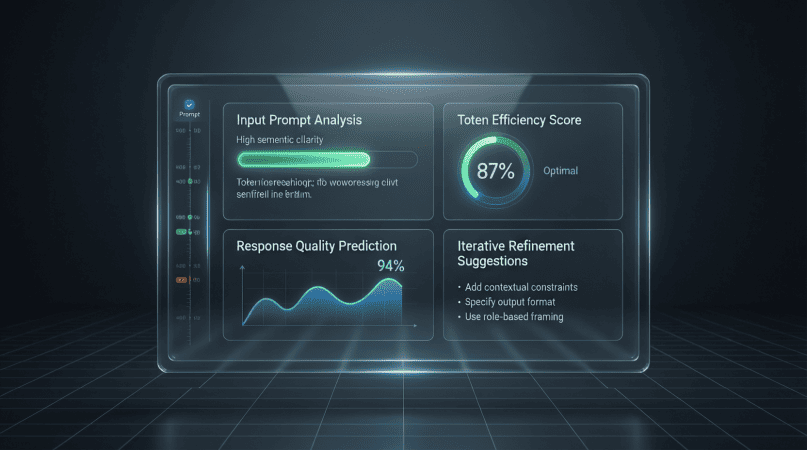
The Importance of Prompt Engineering in AI
Hey there! If you’ve been diving into the world of artificial intelligence, you’ve probably come across the term “prompt engineering.” It might sound a bit technical, but trust me, it’s one of the most exciting and essential skills to master in this rapidly evolving field. Whether you’re a developer, a content creator, or just a curious learner, understanding prompt engineering can significantly enhance your interactions with AI systems.
What is Prompt Engineering?
At its core, prompt engineering involves crafting the right inputs (or prompts) to get the desired outputs from AI models, especially those powered by natural language processing (NLP). Think of it like giving instructions to a very smart, but sometimes a bit clueless, robot. The better your instructions (or prompts), the better your robot (AI) will perform.
Why is Prompt Engineering Important?
Prompt engineering is crucial for several reasons:
- Enhances AI Performance: Well-crafted prompts lead to more accurate and relevant responses from AI models.
- Saves Time: Effective prompts can reduce the need for multiple iterations, streamlining the creative process.
- Improves Understanding: It helps users understand how to communicate better with AI, fostering a more intuitive interaction.
- Increases Creativity: Thoughtful prompts can inspire innovative ideas and solutions.
How to Create Effective Prompts
Now that we’ve established the importance of prompt engineering, let’s dive into how to create effective prompts. Here’s a step-by-step guide:
Step 1: Define Your Goal
Before you start typing away, know what you want. Are you looking for a specific piece of information, generating creative content, or solving a problem?
Step 2: Be Clear and Specific
The more precise you are, the better the AI can respond. For example, instead of asking, “Tell me about dogs,” you might say, “What are the top five dog breeds for families with young children?”
Step 3: Use Contextual Clues
Providing context helps the AI to understand your request better. For instance, if you want a summary of a book, mention the title and author.
Step 4: Experiment and Iterate
Don’t be afraid to try different approaches. If the response isn’t what you expected, tweak your prompt and try again. AI models learn from interactions, so your experimentation can lead to better results.
Examples of Effective Prompts
Here are some examples to illustrate what effective prompts look like:
| Type of Request | Poor Prompt | Effective Prompt |
|---|---|---|
| Information | Tell me about climate change. | What are the main causes and effects of climate change on coastal cities? |
| Creative Writing | Write a story. | Write a short story about a dragon who befriends a young girl in a magical forest. |
| Technical Help | How do I code? | How do I write a Python function to calculate the factorial of a number? |
Common Mistakes to Avoid
Even seasoned users can slip up when it comes to crafting prompts. Here are some common pitfalls:
- Being Vague: Ambiguous prompts lead to unclear answers. Always aim for specificity.
- Overloading with Information: Too much context can confuse the AI. Keep it concise but informative.
- Ignoring AI Limitations: Remember, AI has its boundaries. It doesn’t have real-time knowledge or personal experiences.
Tools for Effective Prompt Engineering
There are several tools available that can help you experiment with prompt engineering:
- OpenAI Playground: A great platform for testing different prompts with the GPT-3 model.
- ChatGPT: An interactive chat interface that allows you to refine prompts in real-time.
- Prompt Engineering Guides: Many online resources and communities offer insights and examples.
Real-World Applications
Prompt engineering isn’t just for tech geeks; it’s being used across various industries:
- Marketing: Crafting engaging ad copy and social media posts.
- Education: Creating personalized learning materials and quizzes.
- Healthcare: Generating patient education content and summaries of medical literature.
Conclusion
In the world of AI, prompt engineering is an essential skill that can unlock the full potential of these powerful tools. By learning to craft effective prompts, you’re not just improving the AI’s responses; you’re also enhancing your ability to communicate and create. Remember, practice makes perfect, so don’t hesitate to experiment!
For more insights into this fascinating subject, refer to the main article Understanding Prompt Engineering for more details.