
📅 Published: December 21, 2025
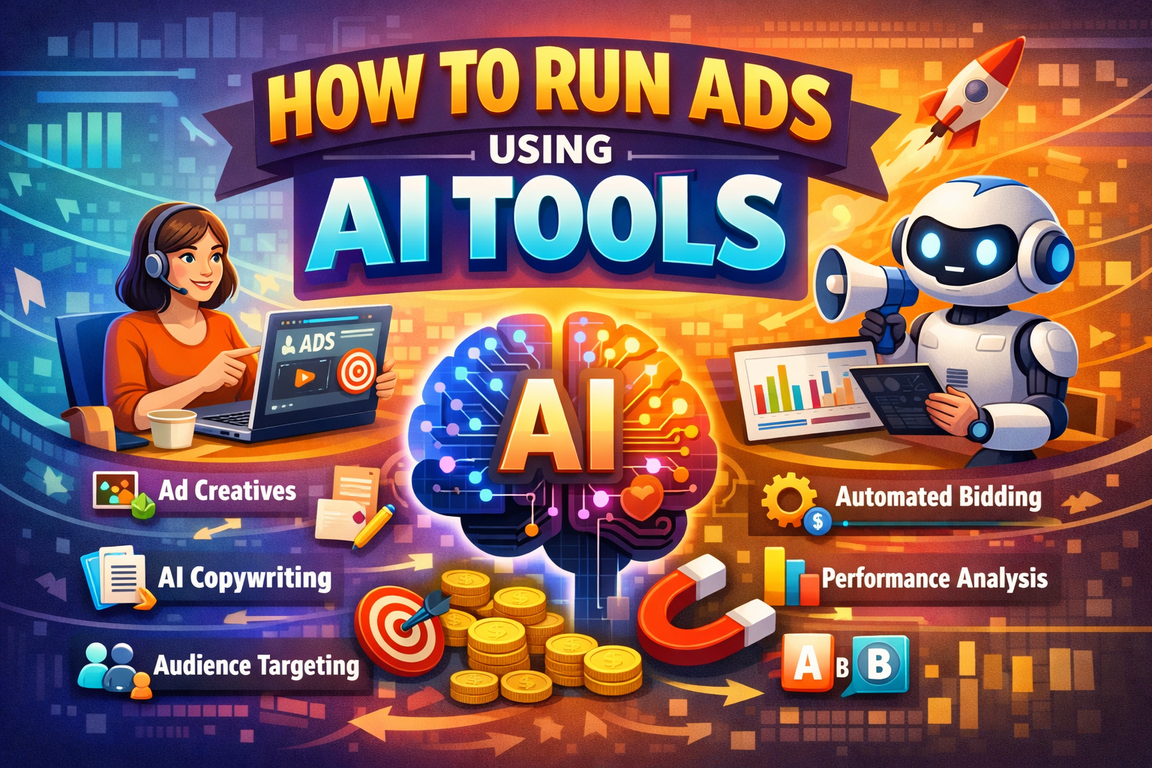
AI advertising tools are software applications that leverage artificial intelligence to optimize ad campaigns. They assist businesses by automating tasks, analyzing complex data sets, and making decisions based on patterns and insights that would be challenging for humans to interpret quickly.
FREE DOWNLOAD
The 2026 AI Toolkit: 30 Free Tools to Start Earning Online
Get the exact tools 6-figure AI solopreneurs use - curated, ranked, and free to start.
No spam. Unsubscribe anytime. Sent to 4,200+ US solopreneurs.
Summary
AI advertising tools automate campaign management, analyze data in real time, and enable precise targeting to improve efficiency and ROI. This guide explains key benefits (enhanced targeting, cost efficiency, automation, creative optimization), reviews leading solutions (Google Ads Smart Biddi
Enhanced Targeting
One of the most significant advantages of using AI in advertising is improved targeting. AI tools can analyze user behavior and demographics to create highly targeted ad campaigns. This means that your ads are shown to the people most likely to be interested in your products or services, increasing the chances of conversion.
Leveraging Behavioral Data
AI tools can track and analyze user behavior across multiple platforms to refine targeting strategies. By understanding how users interact with content, AI can segment audiences based on their interests, behaviors, and purchasing intent. This granular level of targeting ensures that ads reach the most relevant audiences.
Demographic Analysis
Beyond behavior, AI tools can dissect demographic data to identify key audience segments. Factors such as age, gender, location, and income level are analyzed to tailor ad content that resonates with each demographic group. This tailored approach increases engagement and conversion rates.
Predictive Targeting
AI’s predictive analytics capabilities enable marketers to anticipate future behavior based on historical data. By forecasting trends and consumer actions, AI tools can adjust targeting strategies proactively, ensuring that ads remain relevant as market conditions change.
Cost Efficiency
AI marketing solutions can help you save money by optimizing your ad spend. By analyzing data, these tools can identify which ads are performing well and adjust budgets accordingly. This ensures that your marketing dollars are spent effectively, maximizing your return on investment (ROI).
Real-Time Budget Adjustments
AI tools can dynamically adjust ad budgets in real-time based on performance metrics. This flexibility allows marketers to allocate resources to high-performing ads while pulling back on those that aren’t delivering results, ensuring optimal use of the advertising budget.
Bid Optimization
Bid management is crucial in maximizing ad spend efficiency. AI tools can automate bid adjustments to secure the best ad placements at the lowest possible cost. By continuously monitoring bidding strategies, AI ensures that every dollar spent contributes to the overall campaign success.
Reduction of Wasted Spend
Through precise targeting and continuous optimization, AI tools minimize wasted ad spend. By focusing resources on the most promising leads and channels, marketers can achieve higher returns on investment and lower customer acquisition costs.
Time-Saving Automation
AI tools can automate many of the tedious tasks involved in running ad campaigns, such as bid management and reporting. This allows you to focus on strategy and creative aspects, knowing that the day-to-day operations are being handled efficiently.
Streamlined Campaign Setup
Setting up campaigns can be time-consuming, but AI tools simplify this process. By automating the setup of parameters like targeting, scheduling, and bidding, marketers can launch campaigns faster and with greater precision.
Automated Reporting and Insights
AI tools generate comprehensive reports that provide valuable insights into campaign performance. Automated reporting saves marketers time and provides them with actionable data to make informed decisions about future strategies.
Creative Optimization
AI tools assist in optimizing ad creatives by testing multiple variations and determining which ones perform best. This automation ensures that campaigns use the most effective visuals and messaging, enhancing engagement and conversion rates.
Popular AI Marketing Solutions
There are several AI marketing solutions available, each offering unique features and benefits. Here are a few popular ones:
Google Ads Smart Bidding
Google Ads Smart Bidding uses machine learning to optimize bids for conversions. It automatically adjusts your bids in real-time, helping you achieve the best possible results for your campaigns.
Understanding Smart Bidding
Smart Bidding leverages Google’s advanced algorithms to tailor bids according to your goals, whether it’s maximizing clicks, conversions, or conversion value. This approach ensures that your ads are delivered to the right audience at the right time.
Real-Time Bid Adjustments
With Smart Bidding, bid adjustments occur in real-time, allowing for rapid response to changes in user behavior and market conditions. This agility enhances the competitiveness of your campaigns and maximizes their impact.
Benefits of Using Smart Bidding
Smart Bidding offers numerous benefits, including improved conversion rates, enhanced targeting accuracy, and reduced manual labor. By automating bidding strategies, marketers can achieve better results with less effort.
Facebook Ads Automated Rules
Facebook Ads offers automated rules that allow you to set up triggers for specific actions. For instance, you can create a rule that pauses underperforming ads or increases the budget for high-performing ones. This automation ensures that your campaigns are always running optimally.
Setting Up Automated Rules
Creating automated rules involves defining conditions and actions that the system will execute automatically. This customization enables marketers to maintain control over their campaigns while benefiting from AI-driven efficiency.
Benefits of Automation in Facebook Ads
Automation in Facebook Ads allows marketers to respond quickly to performance changes without constant manual intervention. By automating routine tasks, marketers can focus on strategic planning and creative development.
Optimizing Campaign Performance
Automated rules help optimize campaign performance by ensuring that resources are allocated to the most effective ads. This dynamic adjustment process improves ROI and maintains the competitiveness of your advertising efforts.
Adobe Advertising Cloud
Adobe Advertising Cloud is an AI-powered platform that helps manage cross-channel advertising. It uses AI to optimize media buying and provides insights into audience behavior, helping you make informed decisions.
Cross-Channel Advertising Management
Adobe Advertising Cloud enables marketers to manage advertising across multiple channels from a single platform. This centralized approach simplifies campaign management and ensures consistent messaging across all touchpoints.
AI-Driven Media Buying
AI algorithms in Adobe Advertising Cloud optimize media buying by identifying the best ad placements based on audience behavior and campaign goals. This precision reduces wasted spend and maximizes the impact of your advertising budget.
Audience Insights and Analytics
Adobe Advertising Cloud provides in-depth insights into audience behavior, enabling marketers to refine their strategies and create more personalized campaigns. These insights drive better decision-making and improve overall campaign performance.
How to Choose the Right AI Tools for Advertising
Selecting the right AI tools for advertising can be overwhelming, given the number of options available. Here are some factors to consider:
Identify Your Needs
Determine what you want to achieve with your advertising campaigns. Are you looking to improve targeting, automate tasks, or analyze data more effectively? Understanding your goals will help you choose the tools that best meet your needs.
Setting Clear Objectives
Before choosing an AI tool, define your campaign objectives clearly. Whether you’re aiming to increase brand awareness, generate leads, or boost sales, having clear goals will guide your tool selection process.
Prioritizing Key Features
Identify the key features that align with your objectives. Some tools excel in specific areas, such as audience segmentation or automated bidding, while others offer comprehensive solutions. Prioritizing these features ensures that the tool you choose supports your strategic goals.
Matching Tools to Campaign Goals
Choose AI tools that align with your campaign goals and provide the necessary capabilities to achieve them. By matching tools to objectives, you can ensure that your advertising efforts remain focused and effective.
Evaluate Features
Look for tools that offer the features you require. Some tools specialize in specific areas, such as bid management or audience segmentation, while others offer a comprehensive suite of features. Make sure the tool you choose aligns with your campaign objectives.
Understanding Tool Capabilities
Evaluate the capabilities of each AI tool to determine its suitability for your needs. Consider factors such as ease of use, scalability, and integration with existing systems to ensure a smooth implementation.
Comparing Tool Features
Conduct a feature comparison of potential AI tools to identify those that meet your specific requirements. Consider features such as real-time analytics, audience targeting, and automation capabilities to make an informed decision.
Assessing User Experience
Consider the user experience of each tool, including its interface and ease of navigation. A user-friendly tool will facilitate efficient campaign management and reduce the learning curve for your marketing team.
Check Integration Capabilities
Ensure that the AI tool you select can integrate seamlessly with your existing systems, such as your customer relationship management (CRM) software or other marketing platforms. This will enable you to leverage data across various channels for a unified marketing strategy.
Importance of Integration
Integration with existing systems is critical for leveraging data and maintaining consistency across marketing efforts. Ensure that your chosen AI tool can integrate seamlessly with your current technology stack.
Evaluating Compatibility
Assess the compatibility of AI tools with your existing systems to ensure smooth data flow and collaboration. Integration capabilities should support data sharing and enhance the overall effectiveness of your marketing efforts.
Leveraging Cross-Platform Data
Integration enables the sharing of data across platforms, providing a holistic view of campaign performance. This cross-platform approach allows for more informed decision-making and enhances the overall impact of your marketing strategy.
Consider Your Budget
AI tools come with varying price tags. While some offer free basic plans, others might require a significant investment. Evaluate your budget and choose a tool that provides the best value for your money.
Budgeting for AI Tools
Determine your budget for AI tools based on your overall marketing budget and campaign objectives. Consider the potential ROI of each tool and prioritize those that offer the best value for your investment.
Cost vs. Benefits Analysis
Conduct a cost vs. benefits analysis to determine the financial impact of each AI tool. Consider factors such as increased efficiency, improved targeting, and enhanced ROI when evaluating the cost-effectiveness of each tool.
Exploring Pricing Models
Explore the pricing models of potential AI tools to understand their cost structure. Some tools offer subscription-based pricing, while others may require one-time payments or pay-as-you-go plans. Choose a model that aligns with your budget and needs.
Steps to Running Ads with AI Tools
Running ads using AI tools involves several steps. Here’s a simple guide to get you started:
Step 1: Set Clear Objectives
Before launching any campaign, define what success looks like for you. Are you aiming to increase brand awareness, generate leads, or boost sales? Having clear objectives will guide your campaign strategy and help you measure success effectively.
Defining Campaign Goals
Start by clearly defining your campaign goals and objectives. Consider what you hope to achieve with your advertising efforts and how AI tools can support these goals.
Establishing Key Performance Indicators (KPIs)
Identify the key performance indicators that will measure the success of your campaigns. These KPIs should align with your objectives and provide a clear framework for evaluating campaign performance.
Aligning Team Efforts
Ensure that your marketing team is aligned with the campaign objectives and understands the role of AI tools in achieving them. This alignment ensures a unified approach and maximizes the impact of your advertising efforts.
Step 2: Choose the Right Platform
Decide which platform(s) you want to advertise on. Whether it’s Google, Facebook, Instagram, or another platform, ensure that your chosen AI tool is compatible with it.
Evaluating Platform Suitability
Evaluate the suitability of each platform based on your target audience and campaign goals. Consider factors such as audience demographics, engagement levels, and advertising costs when selecting platforms.
Platform Compatibility with AI Tools
Ensure that your chosen AI tools are compatible with the platforms you intend to use. Compatibility ensures seamless integration and enhances the effectiveness of your advertising efforts.
Cross-Platform Advertising Strategies
Consider a cross-platform advertising strategy to reach a wider audience and maintain consistency across channels. AI tools can help manage cross-platform campaigns and optimize performance across multiple touchpoints.
Step 3: Create Engaging Content
Content is still king in advertising. Ensure your ads are visually appealing and have compelling copy that resonates with your target audience. Use AI tools to test different versions and determine which ones perform best.
Crafting Compelling Ad Copy
Craft ad copy that resonates with your target audience and communicates your value proposition effectively. Use language that engages and persuades, and ensure that your messaging aligns with your brand identity.
Designing Visually Appealing Creatives
Create visually appealing ad creatives that capture attention and convey your message effectively. Use high-quality images, videos, and graphics to enhance the visual impact of your ads.
A/B Testing and Creative Optimization
Leverage AI tools to conduct A/B testing and optimize your ad creatives. By testing different versions of your ads, you can identify the most effective combinations of visuals and messaging to maximize engagement and conversions.
Step 4: Set Up Your Campaign
Using your chosen AI tool, set up your campaign parameters, including budget, targeting options, and bidding strategy. Many AI tools offer suggestions based on historical data to help you make informed decisions.
Defining Campaign Parameters
Define the parameters of your campaign, including budget, targeting options, and bidding strategy. These parameters should align with your objectives and ensure that your ads reach the right audience.
Utilizing AI Recommendations
Leverage AI tools to receive recommendations on campaign setup based on historical data and performance metrics. These recommendations can help optimize your campaign strategy and improve overall results.
Ensuring Consistency Across Campaigns
Ensure that your campaign setup is consistent across all platforms and channels. Consistency enhances brand recognition and ensures a cohesive experience for your audience.
Step 5: Monitor and Optimize
Once your campaign is live, continuously monitor its performance. Use AI insights to identify trends and make necessary adjustments to improve results. Regular optimization ensures that your ads remain effective over time.

by Swello (https://unsplash.com/@getswello)
Continuous Performance Monitoring
Continuously monitor the performance of your campaigns using AI tools. Real-time data and analytics provide insights into what’s working and what needs adjustment, ensuring that your campaigns remain on track.
Identifying Trends and Insights
Use AI insights to identify trends and patterns in your campaign performance. These insights can inform future strategies and help you make data-driven decisions to optimize your campaigns.
Making Data-Driven Adjustments
Make data-driven adjustments to your campaigns based on performance metrics and AI insights. Regular optimization ensures that your ads remain effective and continue to deliver results over time.
Challenges and Considerations
While AI tools offer numerous benefits, there are also challenges to consider:
Data Privacy
With increasing regulations around data privacy, ensure that your AI tools comply with laws such as GDPR or CCPA. Transparency about data usage is crucial for maintaining customer trust.
Understanding Data Privacy Regulations
Familiarize yourself with data privacy regulations that impact your advertising efforts. Ensure that your AI tools and practices comply with these regulations to avoid legal issues and maintain customer trust.
Implementing Privacy Measures
Implement privacy measures to protect customer data and ensure compliance with regulations. These measures should include data encryption, secure storage, and transparent data usage policies.
Communicating Transparency
Communicate transparency about your data usage practices to build trust with your audience. Clearly explain how you collect, store, and use data, and provide options for users to manage their data preferences.
Dependence on Technology
Relying too heavily on AI tools can lead to complacency. It’s essential to maintain a human touch in your campaigns and use AI as a tool to enhance, not replace, human creativity and strategy.
Balancing AI and Human Creativity
Strike a balance between AI-driven automation and human creativity in your campaigns. While AI tools can enhance efficiency and precision, human creativity is essential for developing engaging content and innovative strategies.
Avoiding Over-Reliance on AI
Avoid over-reliance on AI by maintaining a human touch in your campaigns. Use AI tools to support and enhance your efforts, but ensure that human input remains a crucial component of your marketing strategy.
Encouraging Human Oversight
Encourage human oversight of AI-driven campaigns to ensure that they align with your brand values and objectives. Regular reviews and adjustments by your marketing team will ensure that AI tools are used effectively and ethically.
AI advertising tools are transforming the way businesses run ad campaigns. By leveraging AI marketing solutions, you can enhance targeting, improve cost-efficiency, and save time through automation. By following the steps outlined in this guide and choosing the right tools for your needs, you can create effective ad campaigns that deliver impressive results. Embrace the power of AI in advertising and watch your marketing efforts soar. With the right balance of technology and human creativity, your advertising campaigns can achieve unprecedented success and drive meaningful business growth.
Continue Reading
 AI Marketing
Best AI Email Marketing Tools 2026: Beehiiv vs ConvertKit vs ActiveCampaign
 AI Marketing
Maximizing Marketing ROI with AI Budget Optimization
 AI Marketing
AI-Powered Ad Copywriting: How Automation Is Changing Digital Marketing
 AI Marketing
AI Tools for Facebook Ads: A Competitive Advantage for Advertisers and Agencies
Written by
George - Founder, Scalopa
George has been building AI-powered income systems since 2023. He tests AI tools hands-on and tracks real income data from 100+ US solopreneurs. All guides on Scalopa are based on direct testing or verified community data.